Robots that build robots.
Vortygon develops modular actuators and autonomous robotic platforms focused on high-reliability industrial applications. The core philosophy is simple: create systems that can manufacture, assemble, and improve the next generation of themselves.
We treat robotics as infrastructure — not just individual machines. Every component is designed for interchangeability, rapid deployment, and continuous improvement through software and physical iteration.
Autonomous Recovery Platform for Oceanic Pollutants
A buoyancy-controlled vessel that recovers floating plastics and any liquid lighter than water — including oil spills. Surface film goes over the lip into the collection pool; water is pumped out; the pollutant stays. For large volumes, ARPOP connects to a tanker via umbilical so recovery is not limited by onboard capacity.
What we'll build
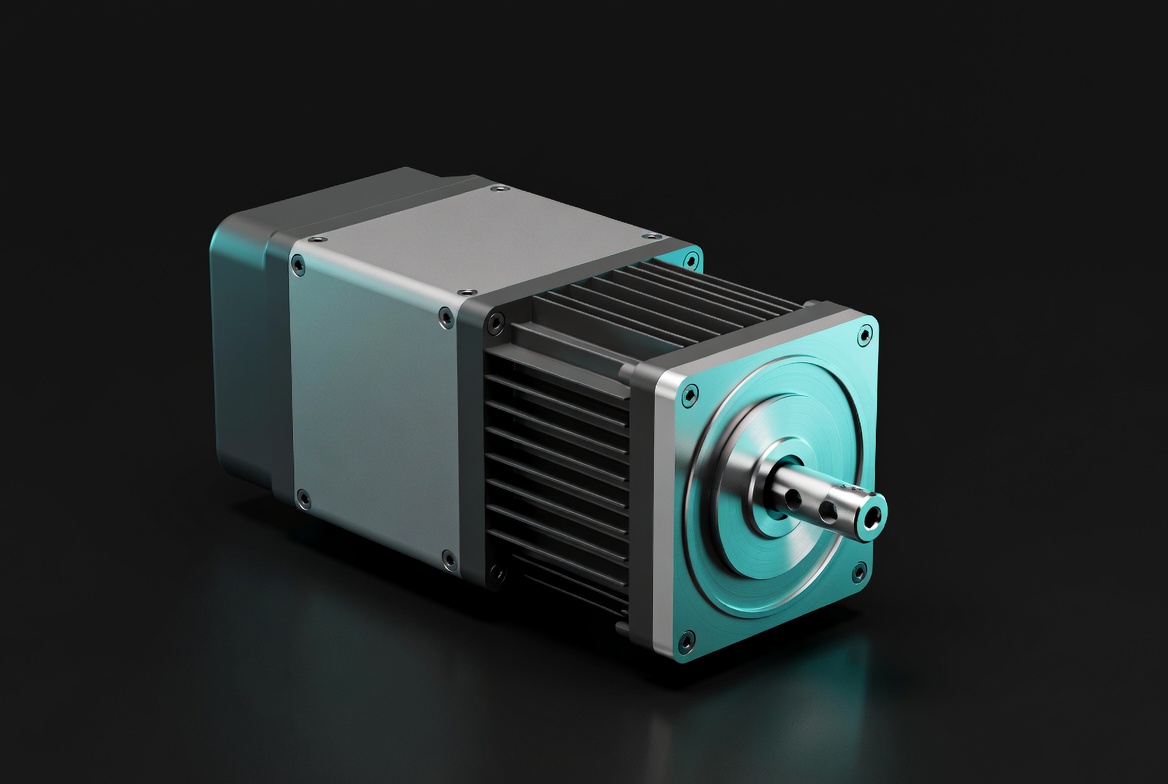
Modular Actuators
High-torque, compact actuator modules designed for rapid reconfiguration. Standardized interfaces allow systems to be rebuilt or scaled without full redesigns.
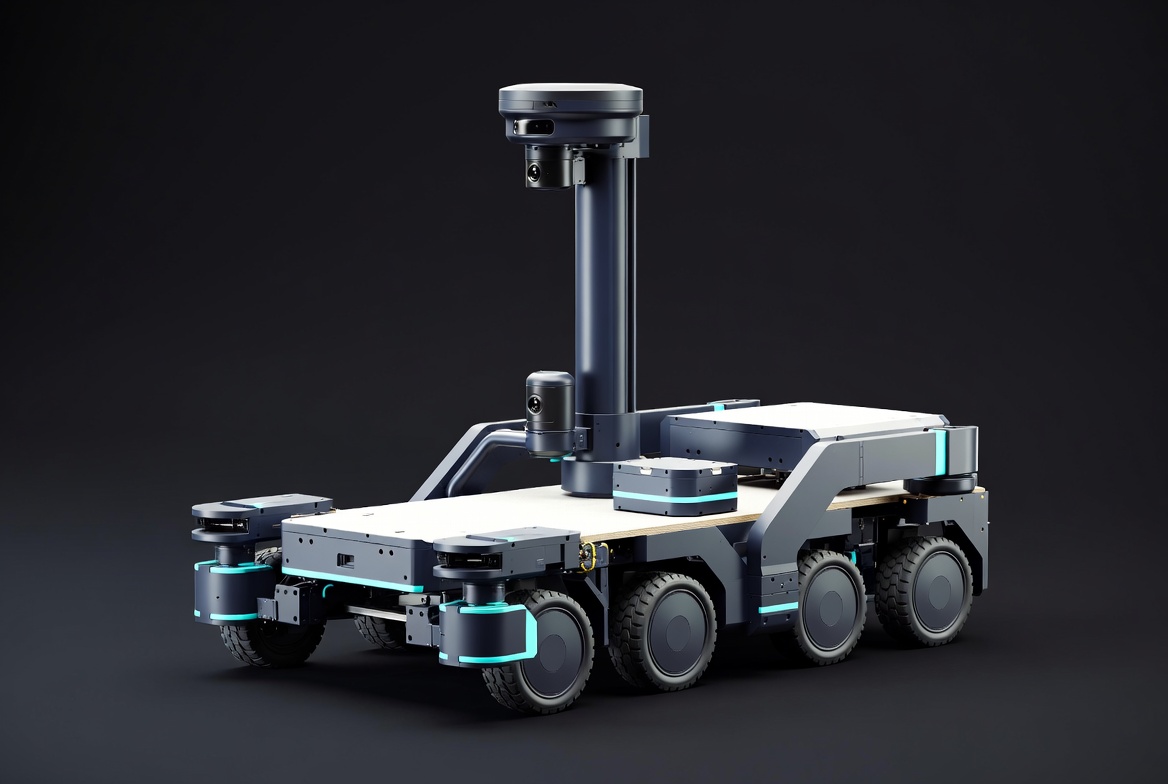
Autonomous Platforms
Mobile and stationary robotic systems focused on industrial automation, material handling, and precision tasks in controlled environments.
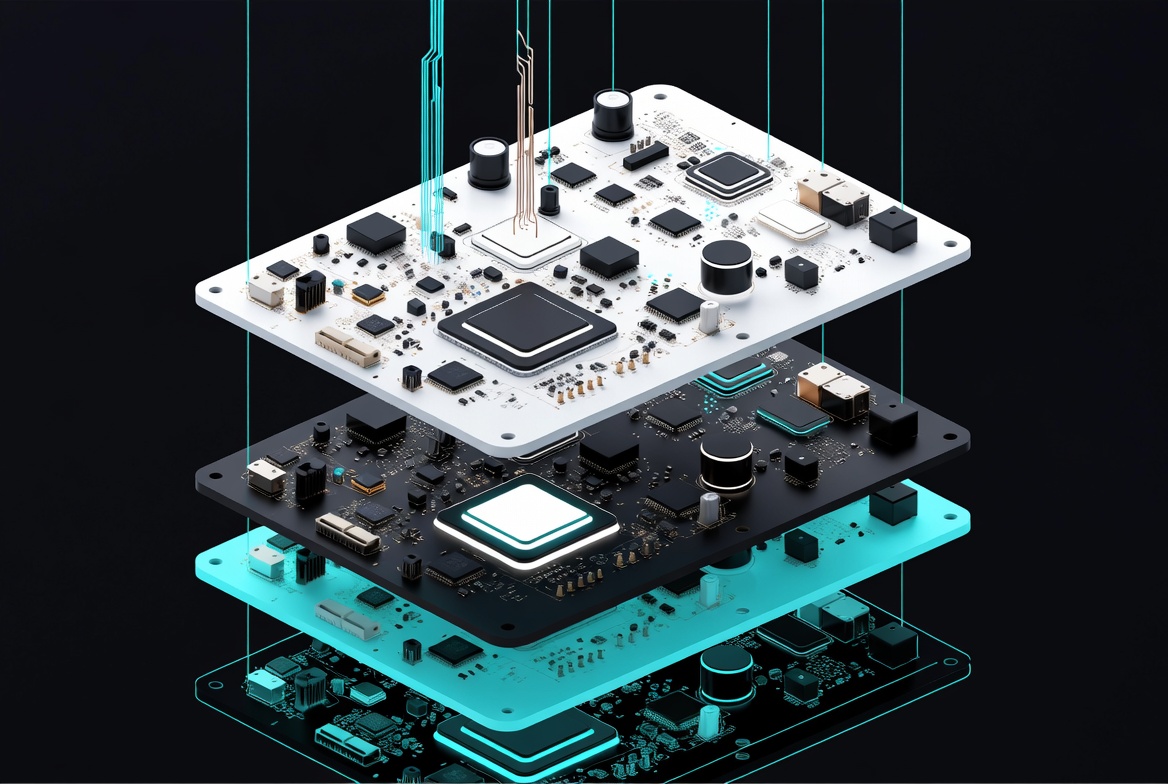
Control Architecture
Layered control systems combining classical robotics techniques with modern adaptive methods for reliability under real-world conditions.
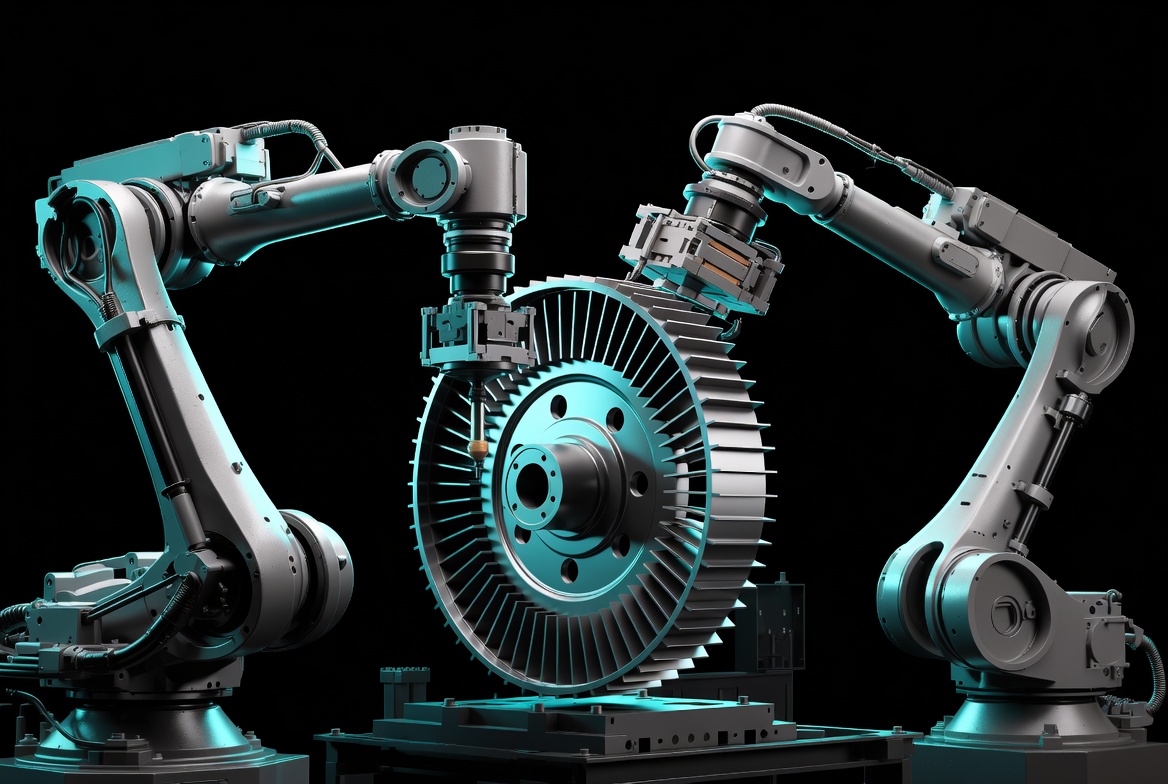
Manufacturing Flywheel
Long-term design goal: robots that participate in the production of subsequent generations of hardware — reducing cost and accelerating iteration cycles.
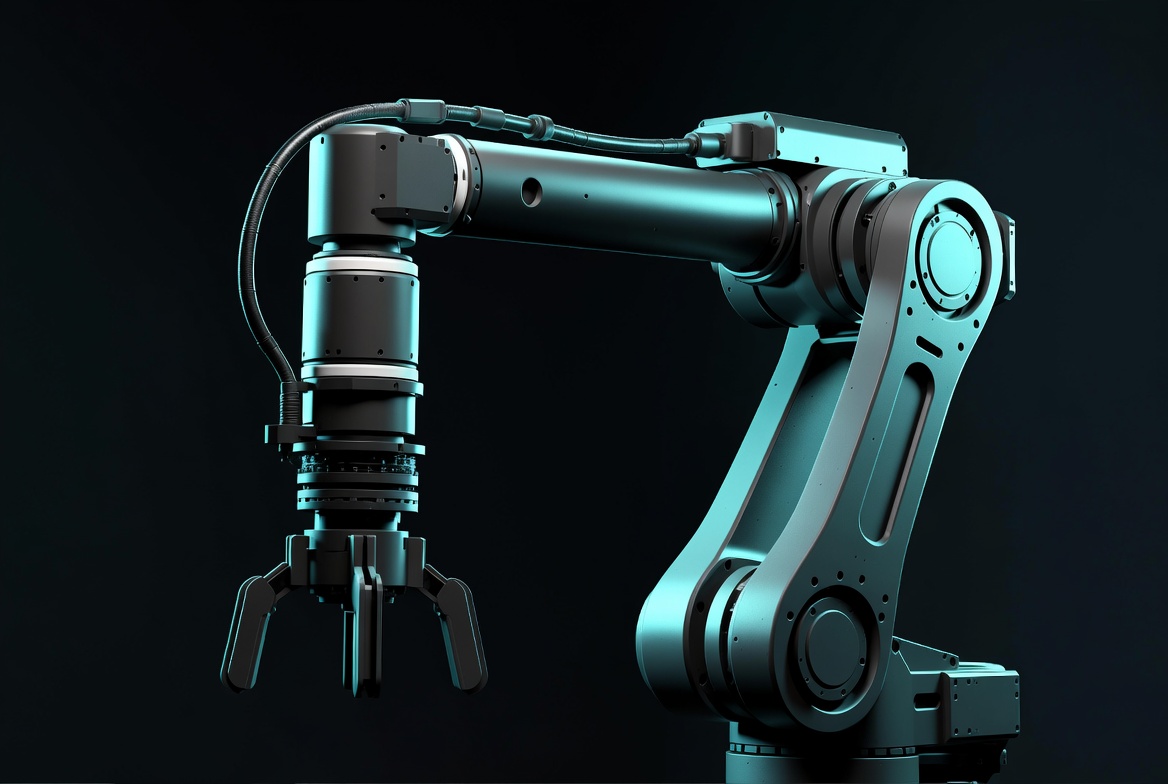
Precision Manipulators
Multi-joint robotic arms and end-effectors engineered for high-repeatability assembly, material handling, and fine positioning tasks.
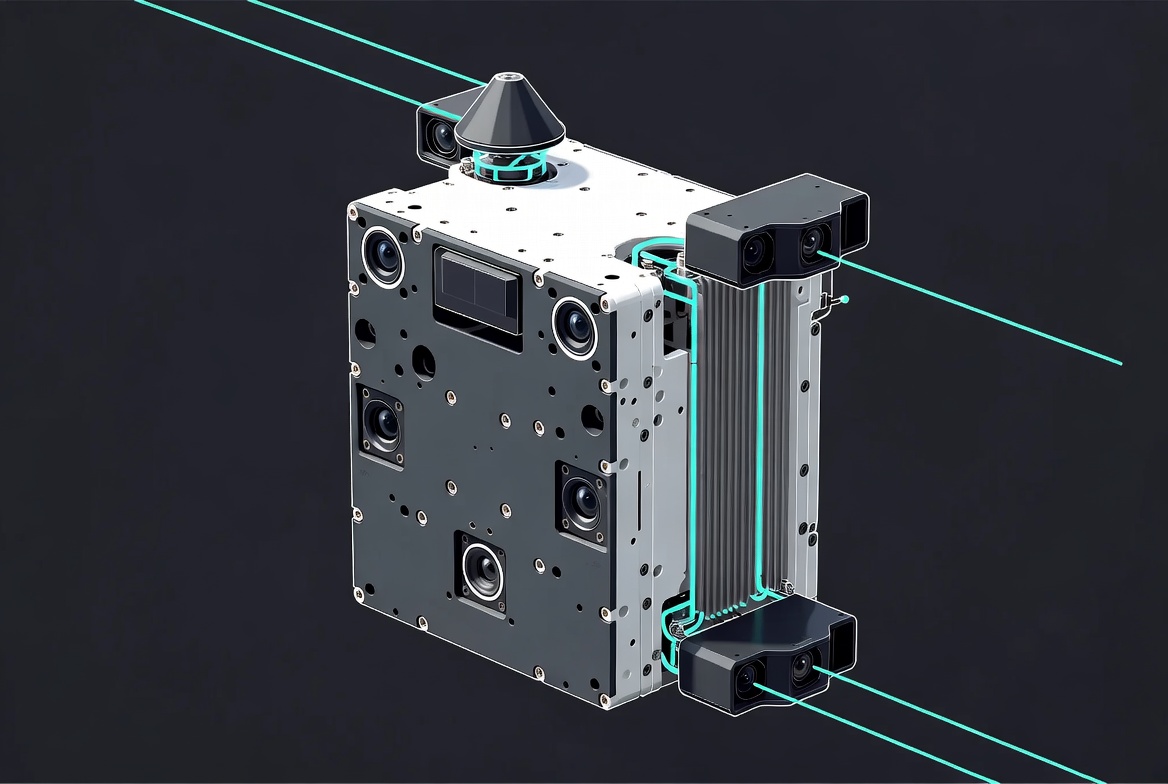
Perception Modules
Compact sensor fusion units combining vision, depth, and ranging for reliable environmental awareness in autonomous systems.
Modular Actuators
High-torque, compact actuator modules designed for rapid reconfiguration. Standardized interfaces allow systems to be rebuilt or scaled without full redesigns.
Autonomous Platforms
Mobile and stationary robotic systems focused on industrial automation, material handling, and precision tasks in controlled environments.
Control Architecture
Layered control systems combining classical robotics techniques with modern adaptive methods for reliability under real-world conditions.
Manufacturing Flywheel
Long-term design goal: robots that participate in the production of subsequent generations of hardware — reducing cost and accelerating iteration cycles.
Precision Manipulators
Multi-joint robotic arms and end-effectors engineered for high-repeatability assembly, material handling, and fine positioning tasks.
Perception Modules
Compact sensor fusion units combining vision, depth, and ranging for reliable environmental awareness in autonomous systems.
Industrial scale from day one
Vortygon is built around the idea that advanced robotics should be treated as capital equipment capable of compounding returns — not as research prototypes.
Scaling Philosophy
The development path prioritizes modularity and manufacturing readiness early. Systems are designed so that increases in production capacity can be achieved through additional robotic capacity rather than proportional increases in human labor.
This creates a flywheel: better robots produce better robots faster and at lower marginal cost.
Building the next industrial layer
Interested in the technical approach, partnership, or system capabilities?